
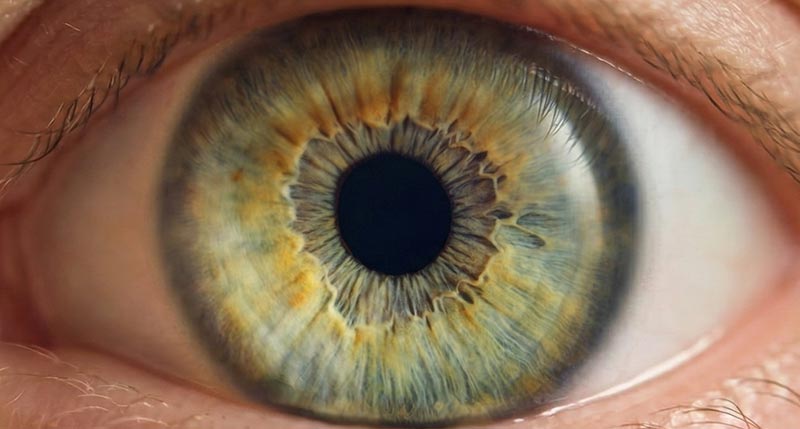
A dilated eye exam is one of the most effective tools your eye doctor uses to protect your healthy vision. By widening the pupils, dilation gives your optometrist a clear view into the back of your eye to examine the retina and optic nerve, helping detect eye concerns early—often before symptoms appear.
When you come in for an exam, your doctor will determine if dilation is necessary by considering the answers to these questions, along with other clinical information:
- What is the reason for your exam? Certain symptoms require dilation to determine a cause and treatment plan. Follow-up exams may not need dilation unless there are new symptoms or concerns.
- What is your age? As your age increases, your risk of eye disease increases. If you are 65 or older, a dilated eye exam is recommended every 1 or 2 years if you have no other eye disease or risk factors.
- What is your risk of eye disease? Family history or previous eye disease or trauma — such as retinal detachment — increases your risk of future eye conditions.
- How is your overall health? Conditions including diabetes and high blood pressure greatly affect eye health. Your eye doctor will want to know if you have been newly diagnosed or living with the condition for some time, and is it under control?
- What is your ethnic background and family history? Some ethnicities have increased risks for specific eye diseases. For example, if you are Black or Hispanic, you are at increased risk for glaucoma and should have a dilated eye exam every 1 to 3 years starting at age 40. After age 55, that timeframe accelerates to every 1 to 2 years. Your optometrist will ask if anyone in your family has or had glaucoma because your risk increases if you have relatives diagnosed with it.
These are some of the factors your doctor considers when deciding whether or not dilation will be necessary to examine your eyes and help prevent vision loss.
What Happens to My Eyes During Dilation?
Prior to dilation, your optometrist will examine your pupils and how they respond to light to determine if your visual pathways are working properly. Your doctor will then administer dilating eye drops to increase the size of the pupil.
It typically takes 15-30 minutes for pupils to dilate fully, depending on your individual response to the medication. A dilated pupil allows your eye doctor to get a better view of the entire retina, optic nerve, and blood vessels.
What Can I Expect After a Dilated Eye Exam?
When your eyes are dilated, you may experience light sensitivity because more light is coming through your enlarged pupil. Bring sunglasses to wear when you leave the office, or we will provide some disposable shades for your use. It’s not unusual to experience blurred vision or a different sensation in your eyes for about 4-6 hours after a dilated eye exam.
What Can Your Optometrist See During a Dilated Eye Exam?
Some of the most serious eye diseases develop quietly, without noticeable symptoms in their early stages, before vision loss occurs or becomes severe. A dilated eye exam can help detect sight-threatening conditions early, when they are most treatable — making it one of the most powerful strategies to protect your vision and overall eye health.
Dilation is an essential tool in diagnosing common conditions, including:
- Diabetic Retinopathy. This eye condition can cause vision loss and blindness in people who have diabetes. It affects blood vessels in the retina, which is the critical light-sensitive layer of tissue in the back of the eye.
- Age-Related Macular Degeneration (AMD). AMD is the leading cause of vision loss in older adults. The condition blurs your central vision and is caused by damage to the macula, the part of the retina responsible for straight-ahead, central, sharp vision.
- This group of eye diseases can cause vision loss and blindness due to increased intraocular pressure that damages the optic nerve. There is no cure, but early diagnosis and treatment can often stop or slow the damage and protect your vision.
- Retinal Detachment. This is an ocular emergency that requires immediate treatment and can result in permanent vision loss! It is caused by detachment of the retinal tissue — the thin layer of tissue at the back of the eye — from its source of oxygenated blood.
- High Blood Pressure. Your optometrist can detect signs of high blood pressure, which show up as changes in the eye’s blood vessels that reflect broader cardiovascular stress. Your eye doctor can see these changes even before you notice anything is wrong. Early detection protects your health and can even save your life.
As you can see, a dilated eye exam is a valuable detection tool that can help protect not only your long-term visual health, but also your overall general health.
If you are due (or overdue) for an eye exam, no judgment here. We know how busy life can get! Just contact our offices today and make your appointment so our doctors can provide you with exceptional care for your eyes and long-term visual health. See you soon!